

Erzah Ather
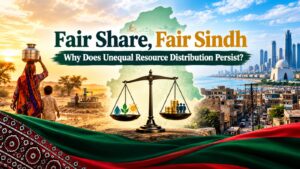
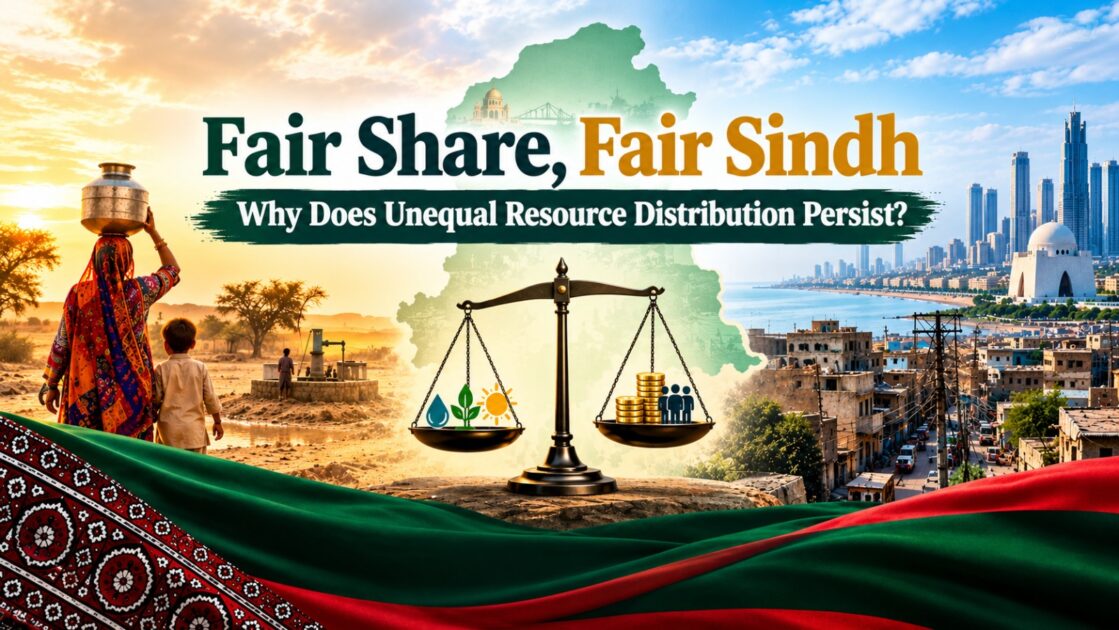
Sindh is a province abundant in resources, yet it has been lacking a fundamental system for ensuring equal development for its citizens. This raises the question of why, in a region not facing a scarcity of resources, a significant portion of the population still experiences a deficiency in resource allocation and whether the citizens are aware of how funds are utilized.
Sindh is the home of every community, no ethnicity or language should determine who receives opportunities. People should never have to beg for rights, as the funds generated are meant for the public and should benefit everyone.
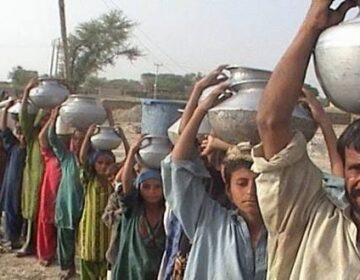
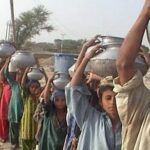
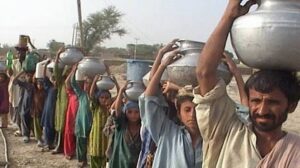
Developmental reach is a fundamental right of Sindh public, but Tharparkar water issue is in the limelight because safe drinking water is a matter of concern for its inhabitants. Tharpakar people mostly belong to the rural areas where they go to wells to get water for their daily use, which results in wastage of their time and energy. According to Pakistan Bureau of Statistics, the latest data procured through the district level census demonstrates that only 14.81% of the households in Tharparkar had drinking water available within their premises. Sindh government has installed RO plants to provide clean drinking water to the locals, but the working conditions of these plants are debatable. In 2025, an inquiry revealed that out of 832 RO plants, only 101 plants were in operation.
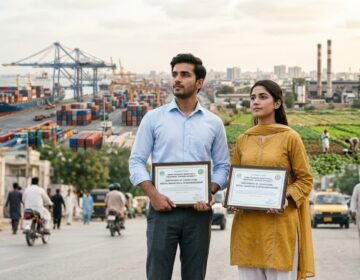
Karachi is a city of contrasts, while its wealth is apparent, the lack of resources, especially in Lyari, are obvious. A high-level consultative meeting of the Lyari Transformation Project was held under the chairmanship of Sindh Minister for Local Government, Housing and Town Planning Sindh Syed Nasir Hussain Shah, during which Rs 4.37B has been approved for the transformation and development of Lyari, which would be deployed in phased manner to bring it up to date with the modern city standards. The project was expected to transform the destiny of Lyari’s locals while the Sindh government is determined to facilitate its timely completion.
The government has resolved to undertake a major initiative to overhaul Karachi’s transport, water, drainage, sewerage and infrastructure with an allocation of over Rs100B for the current fiscal year in the 2026-27 budget. For the coming year, the federal government has earmarked more than Rs100.19B for the city, a considerable portion of which is expected to be spent on 167 big and medium-sized projects, each of which would cost more than Rs500M and 110 projects with an investment of over Rs 1B. CM Syed Murad Ali Shah declared that some development projects would be launched in the coming year to improve local services while presenting the provincial budget in the Sindh assembly
The question for Sindh is no longer about money but rather how much it should have and to whom it should be given. The Auditor General of Pakistan has raised questions about billions of rupees in irregularities discovered in various Sindh agencies in the 2023–24 audit period. The Sindh government responded by saying that these were just initial observations and that the process was normal for such audits. However, the lack of control over such a significant amount of money makes it hard to believe that all of it would reach the intended destinations.
In the coming years, the government will unveil a significant solar initiative as part of the Sindh Solar Energy Project, which will focus on delivering reliable energy through the distribution of solar home systems and providing free solar panels to people in remote locations. Solar energy will first be distributed to more than 200 villages, and the number of villages will increase in the following years.
It would not be in the best interest of the people if all districts were given an equal amount of money. If Karachi has more people than in another district, it should get more money because more people will benefit from it than from any other district. Thar is home to a population that can only be described as needy; therefore, instead of giving the same amount of money to every district, it would be preferable to give a certain amount of money to every individual and provide additional funds to those who are less prosperous.